Define cat use and market
Set the product family, cat behaviour, target dimensions, price position and sales channel.
Turning cat behaviour, corrugated structure and your brand brief into production-ready cat furniture.


A great scratcher balances feline appeal, structural soundness and cost. Our designers work alongside production engineers so every concept is buildable from day one — no expensive surprises at the sampling stage.
From a mood board to a die-line, from a brand guideline to a printed prototype, we own the full creative-to-production pipeline in-house.
Zhizao develops corrugated cardboard cat scratchers across five focused families: scratcher boards, houses and beds, lounge beds, modular sets and interactive scratchers.
Our four-person design team works through behaviour, geometry, flute selection, printing, assembly and carton efficiency so each new model is attractive to cats, clear for buyers and stable in production.
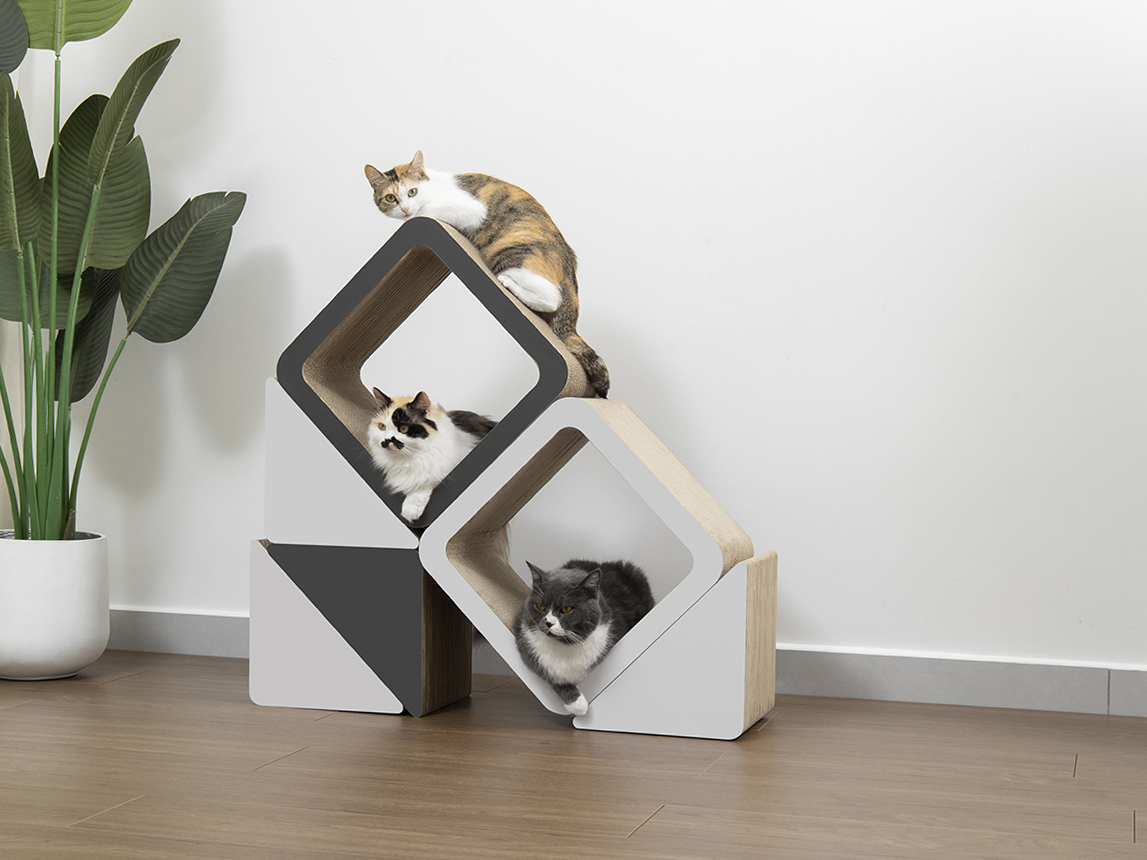
Support scratching, stretching, hiding, climbing and lounging.
Extend B, H, L, C and T/CT series logic into a coherent range.
Balance flute, layers, strength, edge feel and product weight.
Design for die-cutting, gluing, assembly, packing and shipment.
Every design starts by observing how cats actually use vertical space, scratch surfaces and enclosed hideaways. Our structural designers model dielines in CAD, run load simulations for jumping impact, then hand-cut a physical sample to test in our in-house cat room before finalizing.
This real-world testing step catches durability issues that simulations alone would miss, shortening your time to a production-ready structure.
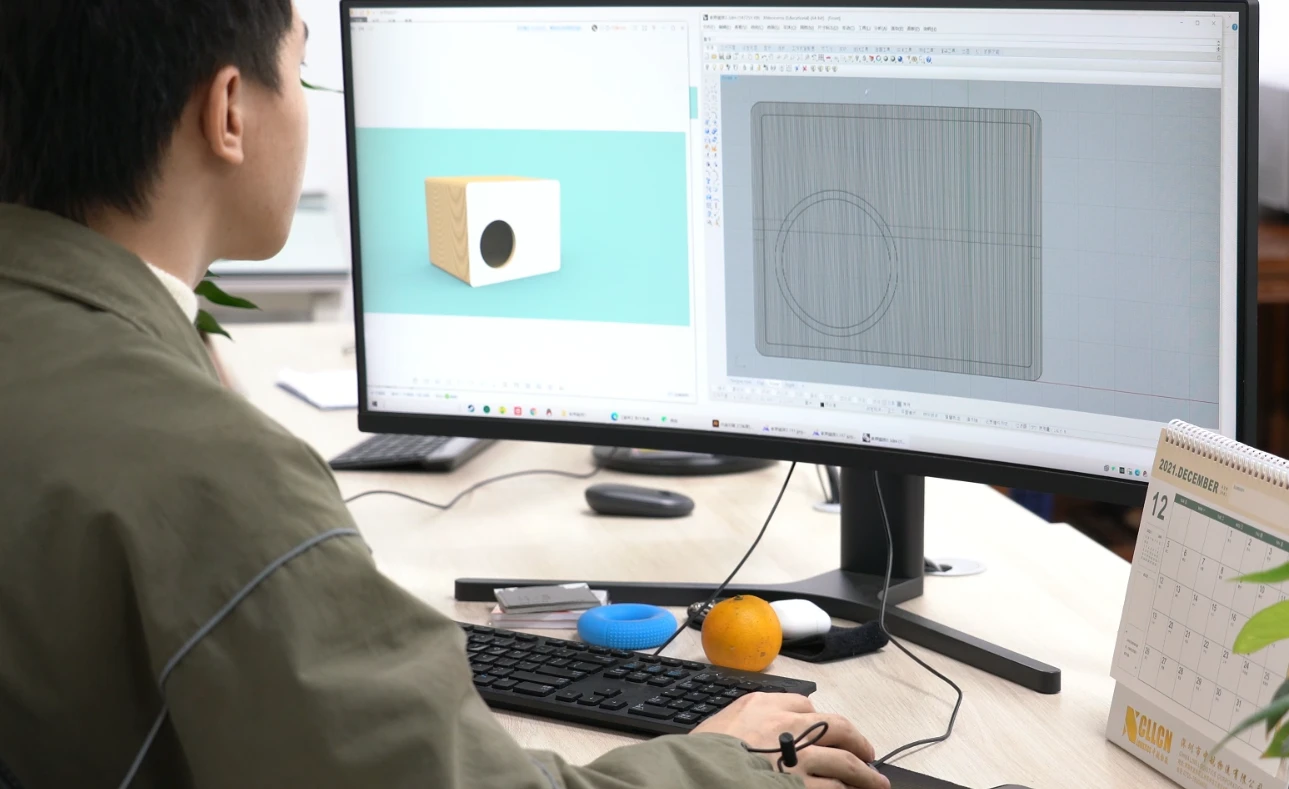
Choose the design inputs that matter to your cat product: board structure, shape, artwork, modules, dimensions and the way it reaches the customer.
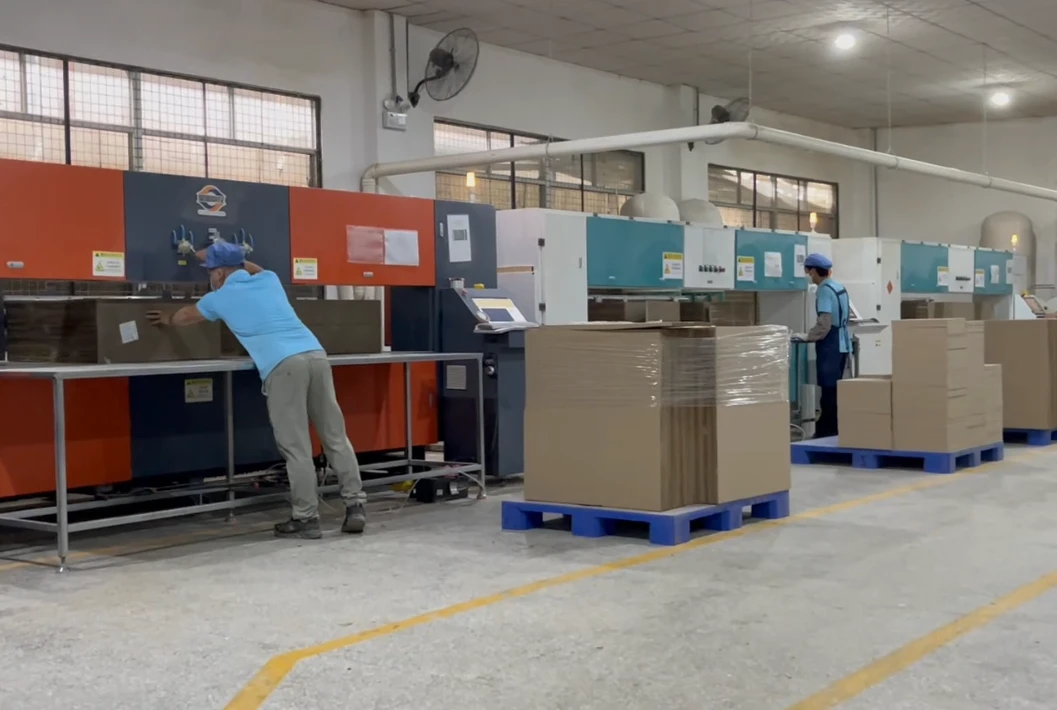 Flute & paper selection
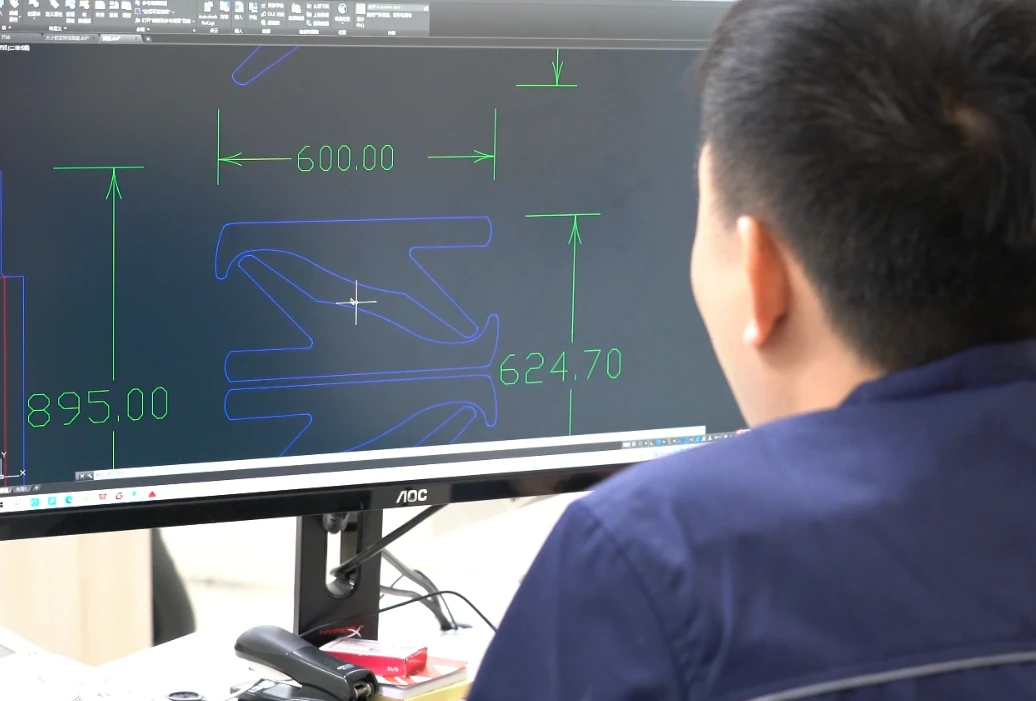 Shape & structure
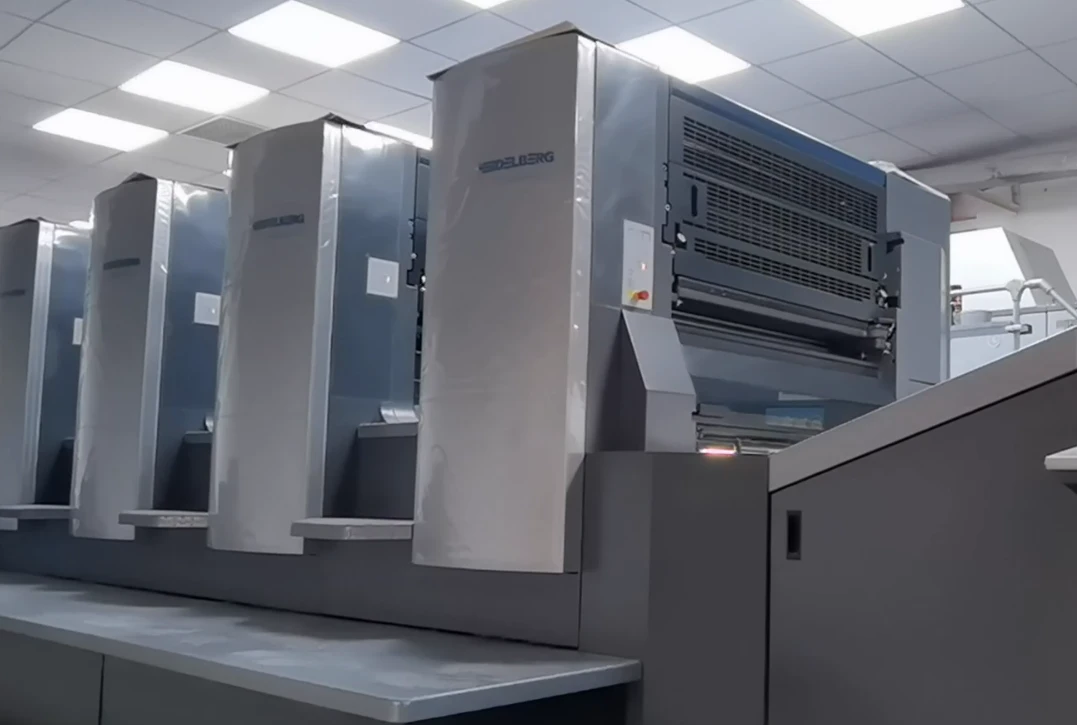 Artwork & printing
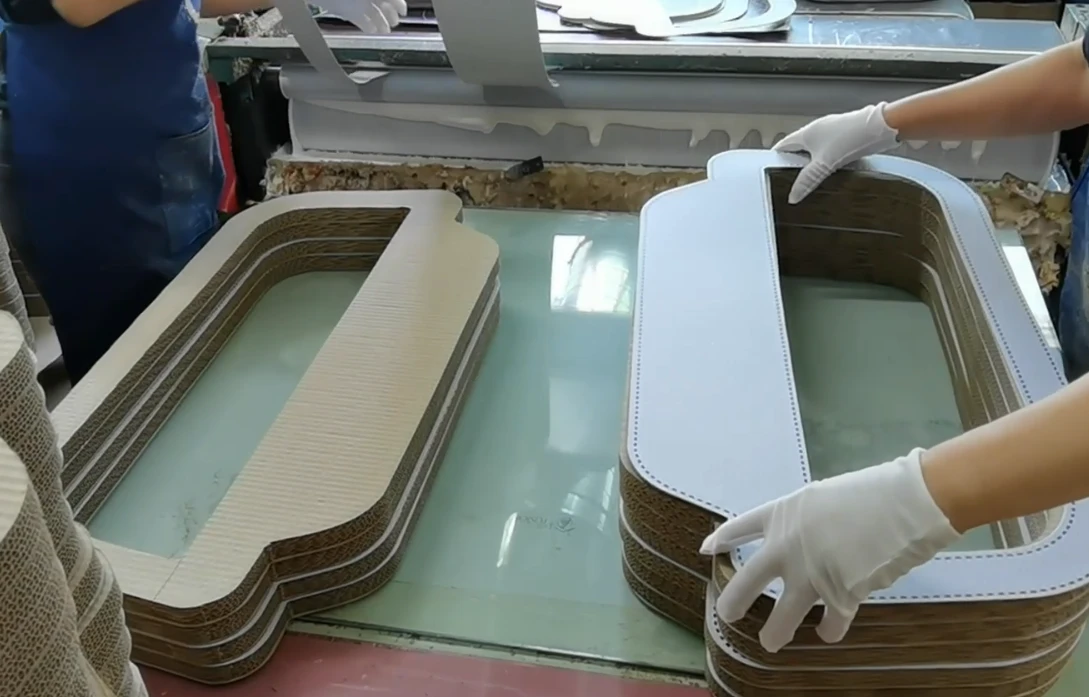 Modular configuration
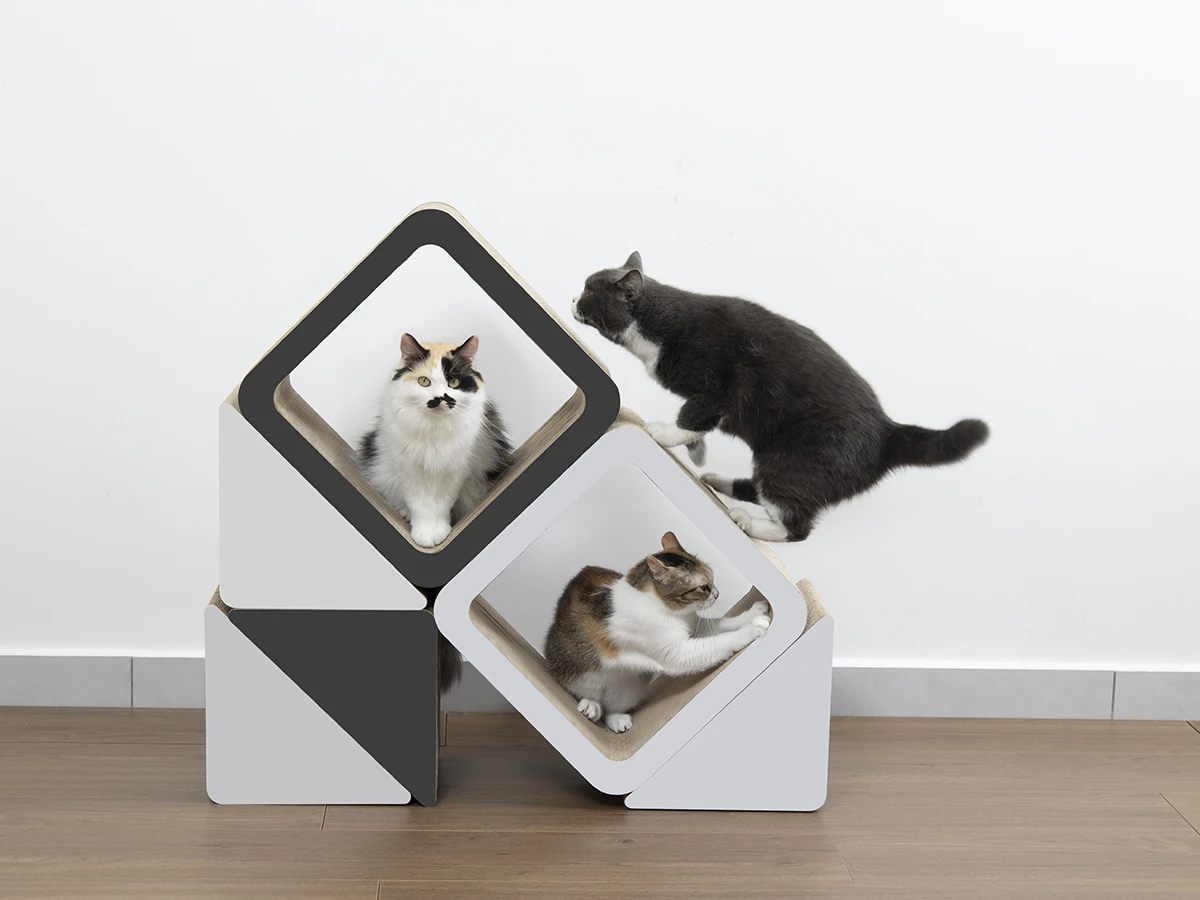 Cat-use ergonomics
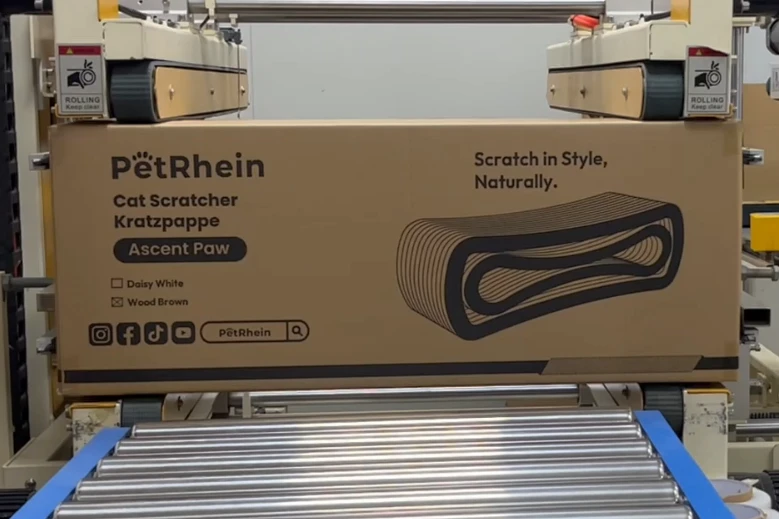 Private-label graphics
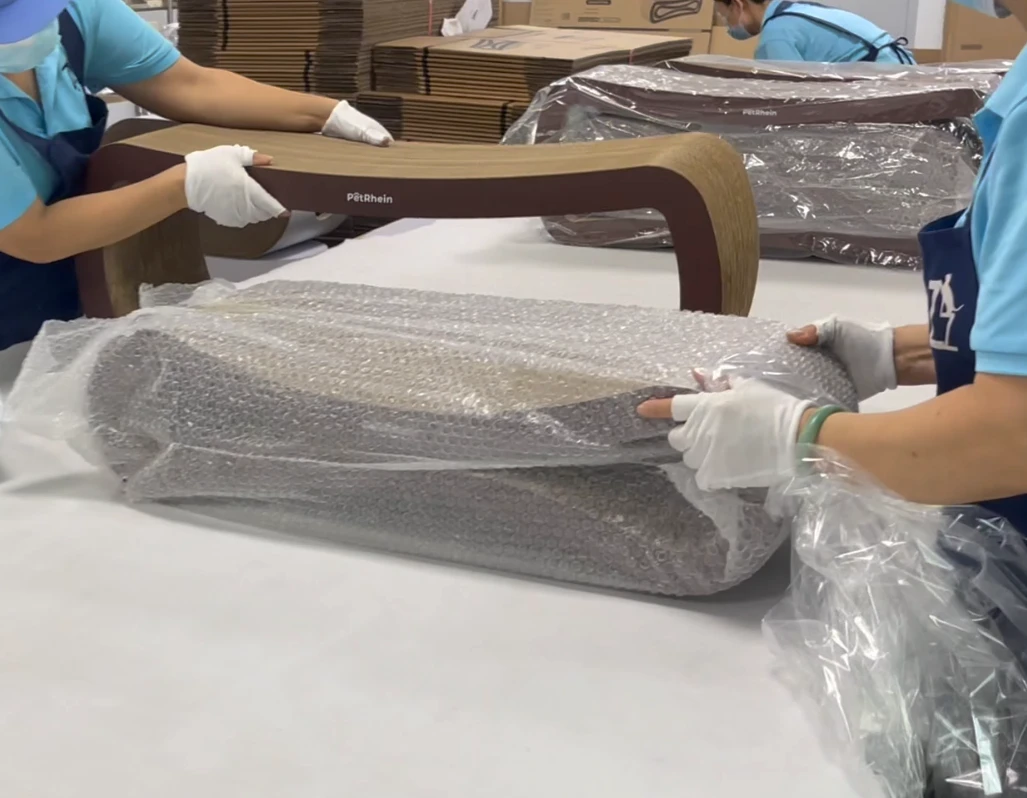 Packaging & pack-out
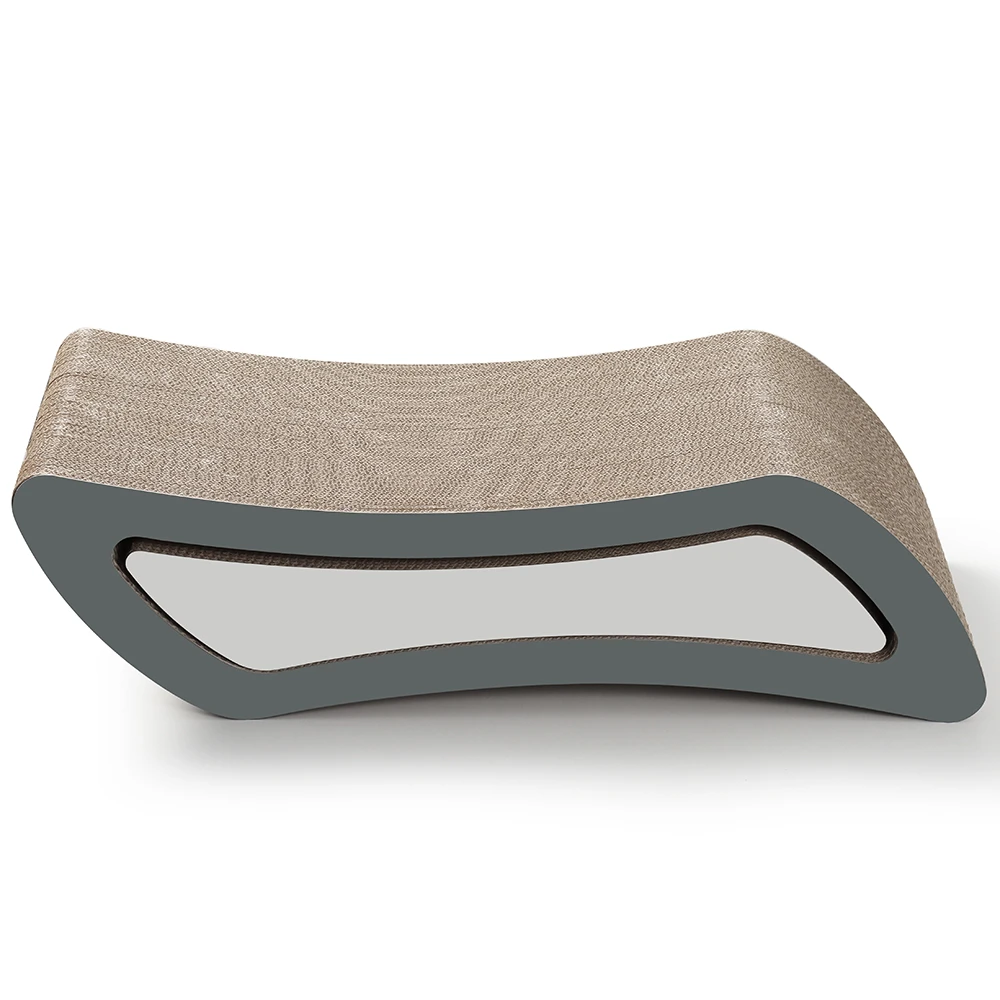 Range consistency
Each stage turns a product decision into a clear output, from the first cat-use requirement to the approved sample and production file.
Set the product family, cat behaviour, target dimensions, price position and sales channel.
Establish the visual language, functions, modules and brand fit before detailed drawing begins.
Resolve openings, curves, slots, joints, flute selection and component relationships.
Match paper, adhesive, colour, print placement and surface details to the product requirements.
Review cat use, stability, assembly, finish, dimensions and packing with physical samples.
Freeze the approved revision, inspection points, carton details and shipping information.
“A successful cat product connects behaviour, structure, materials, graphics and packing. The design is not finished until those decisions can move together into a repeatable sample.”
A few practical ways to connect cat behaviour, corrugated structure, range planning and production decisions.
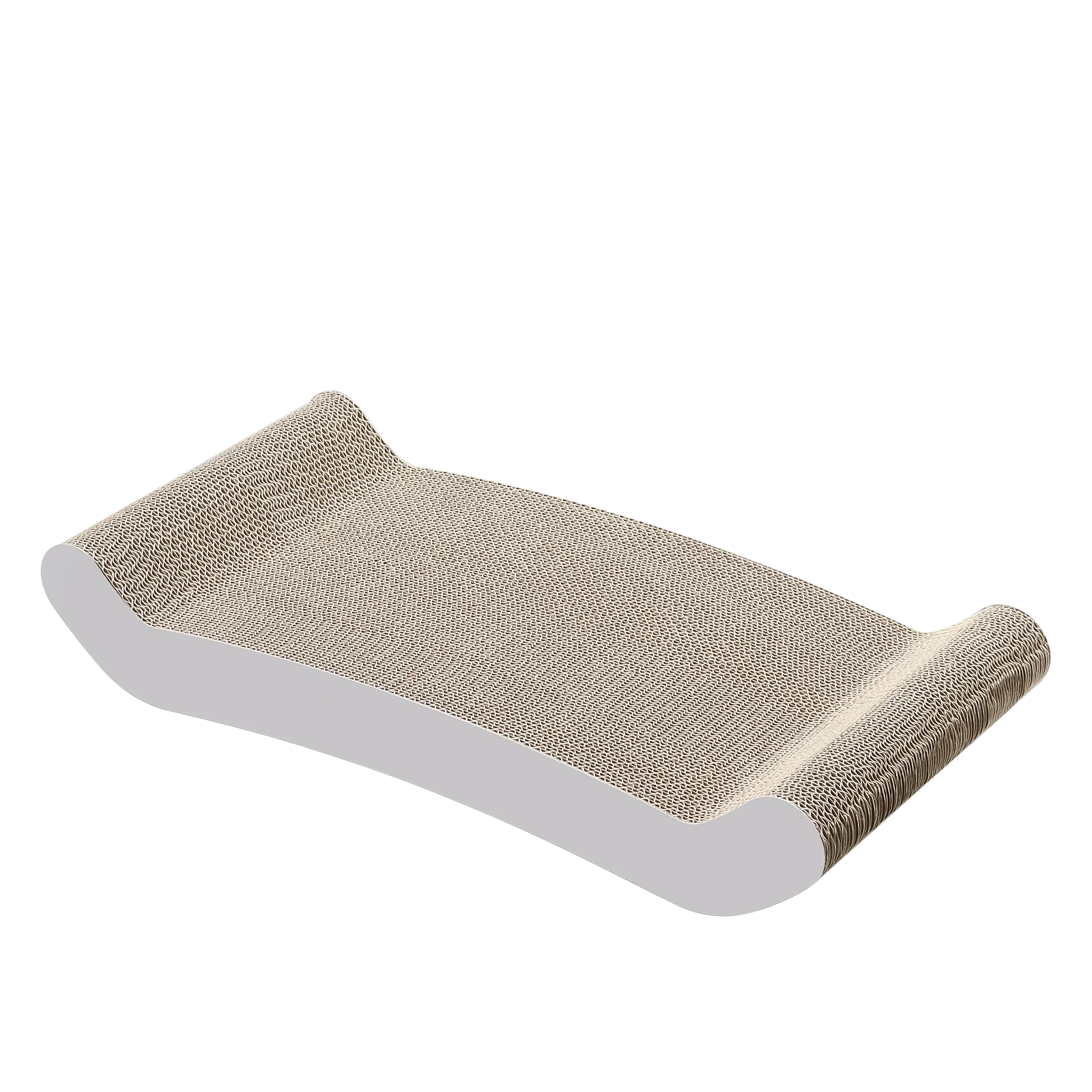
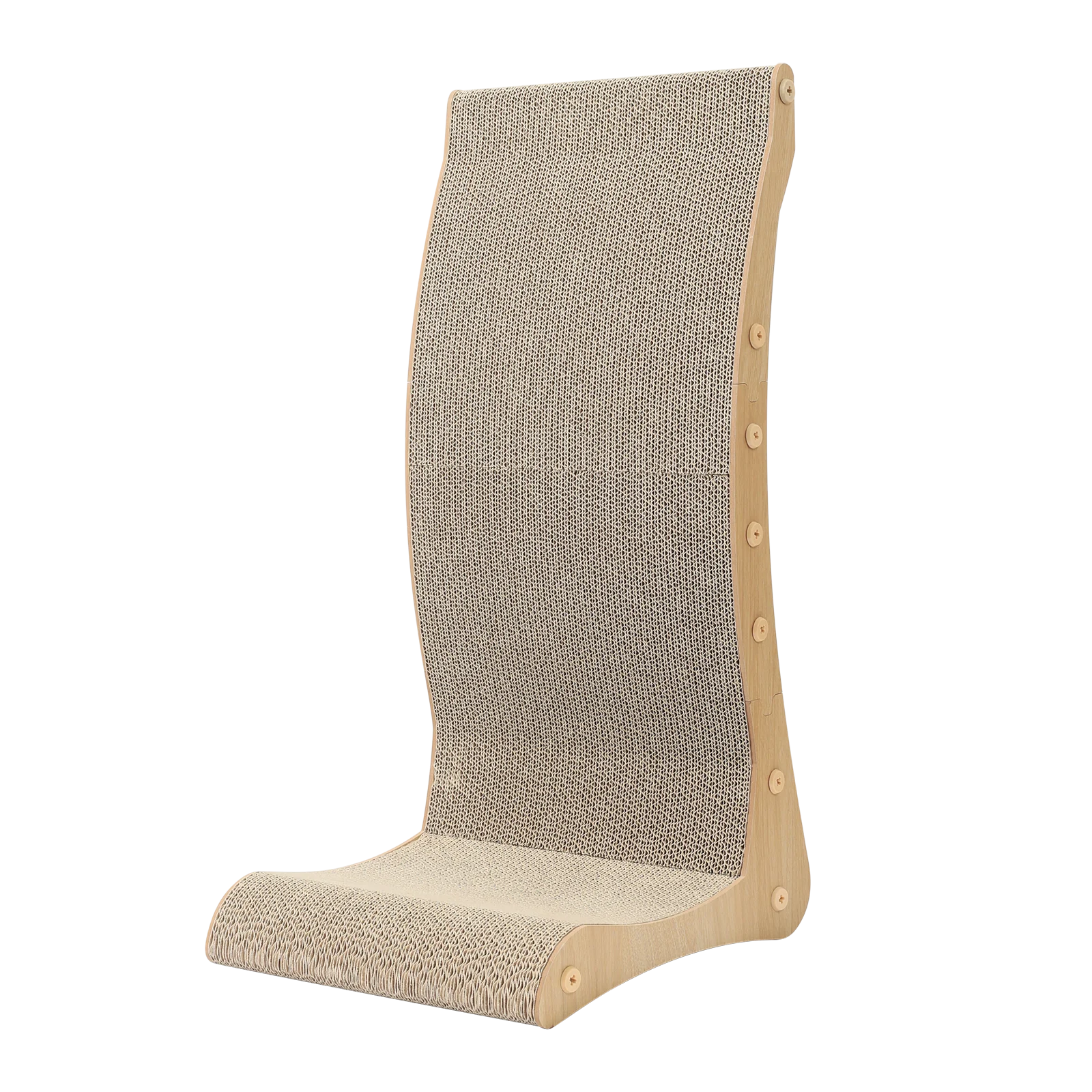
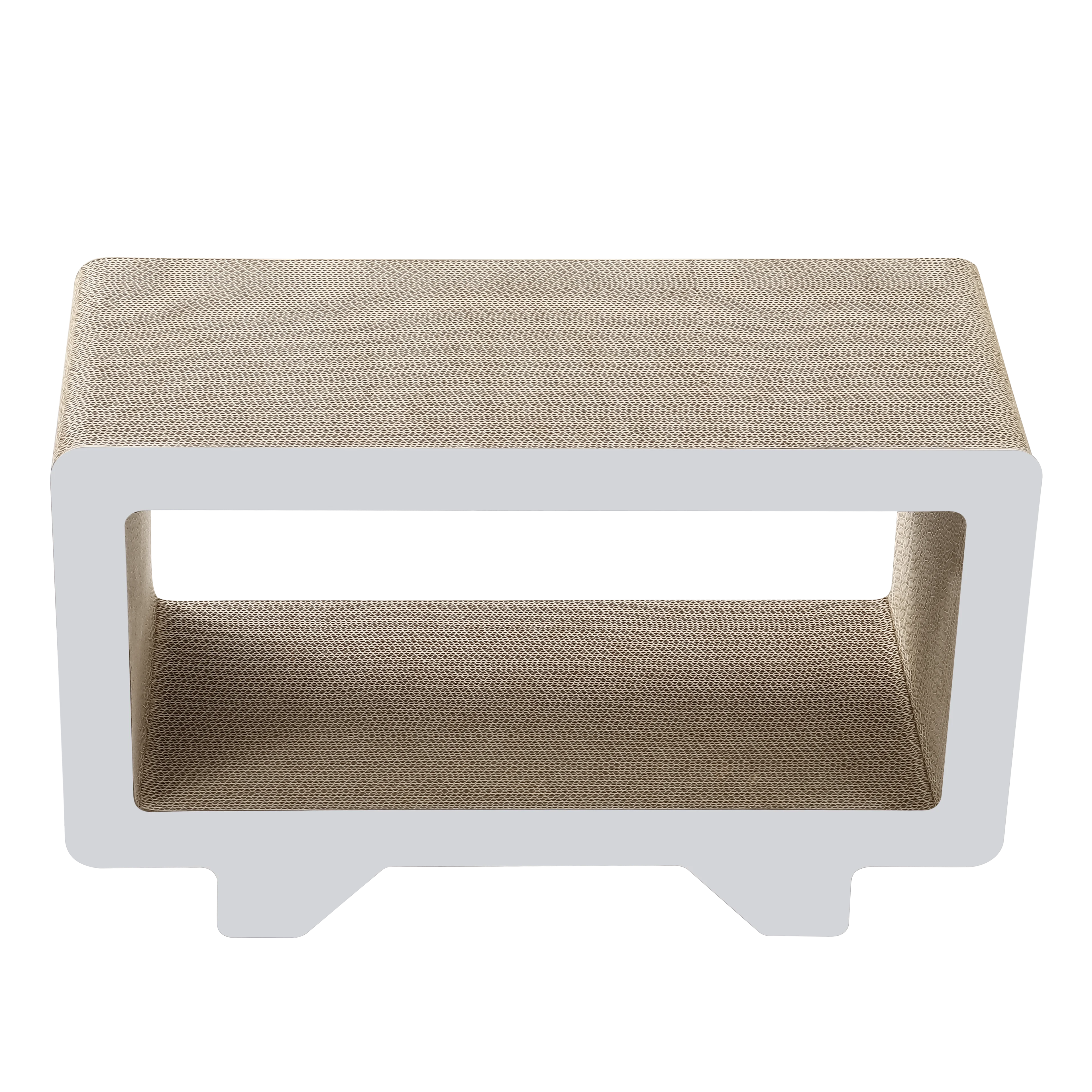
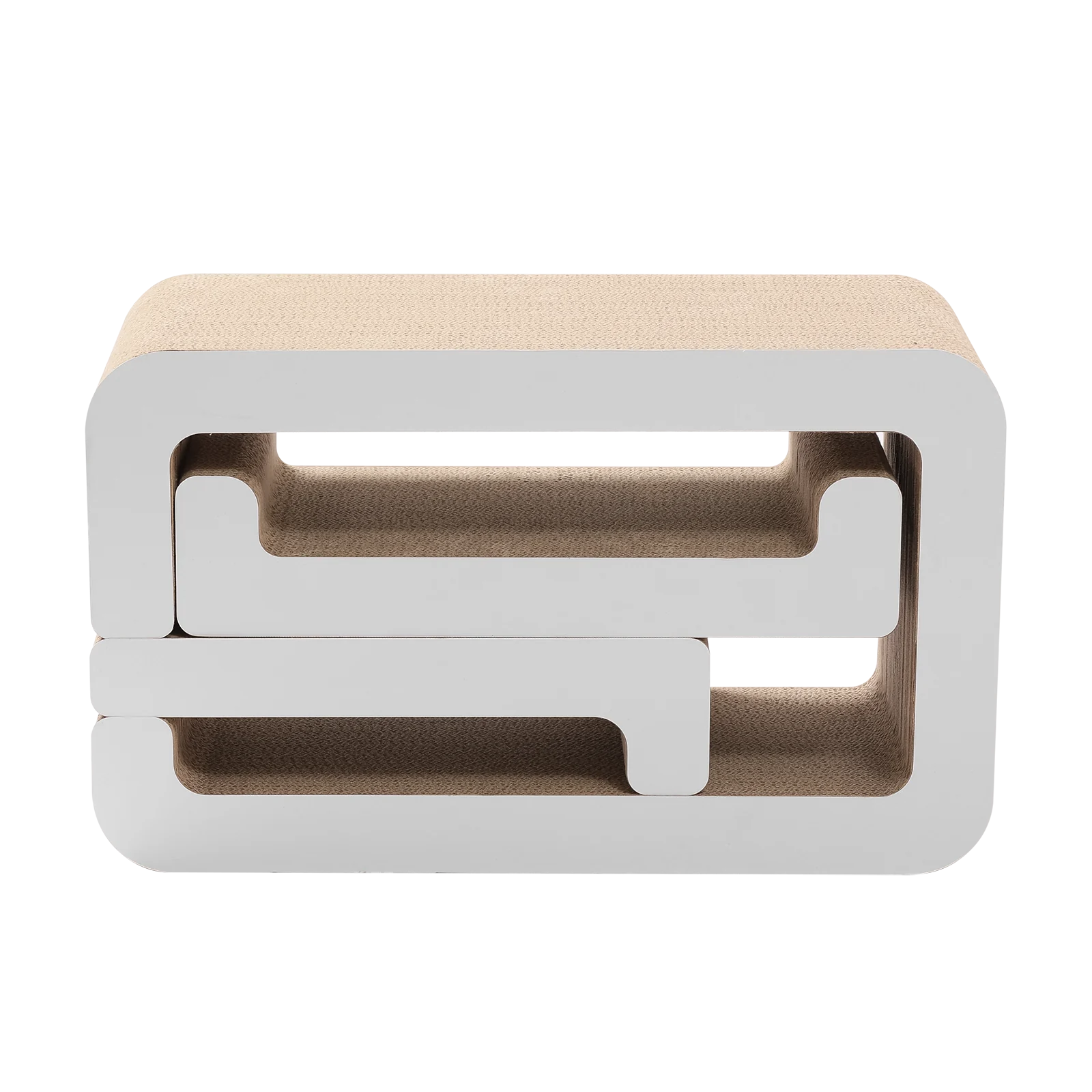
Tell us about your idea and we'll propose structural concepts within days.